our
Programs
Primary Health Care (PHC) & Nutrition
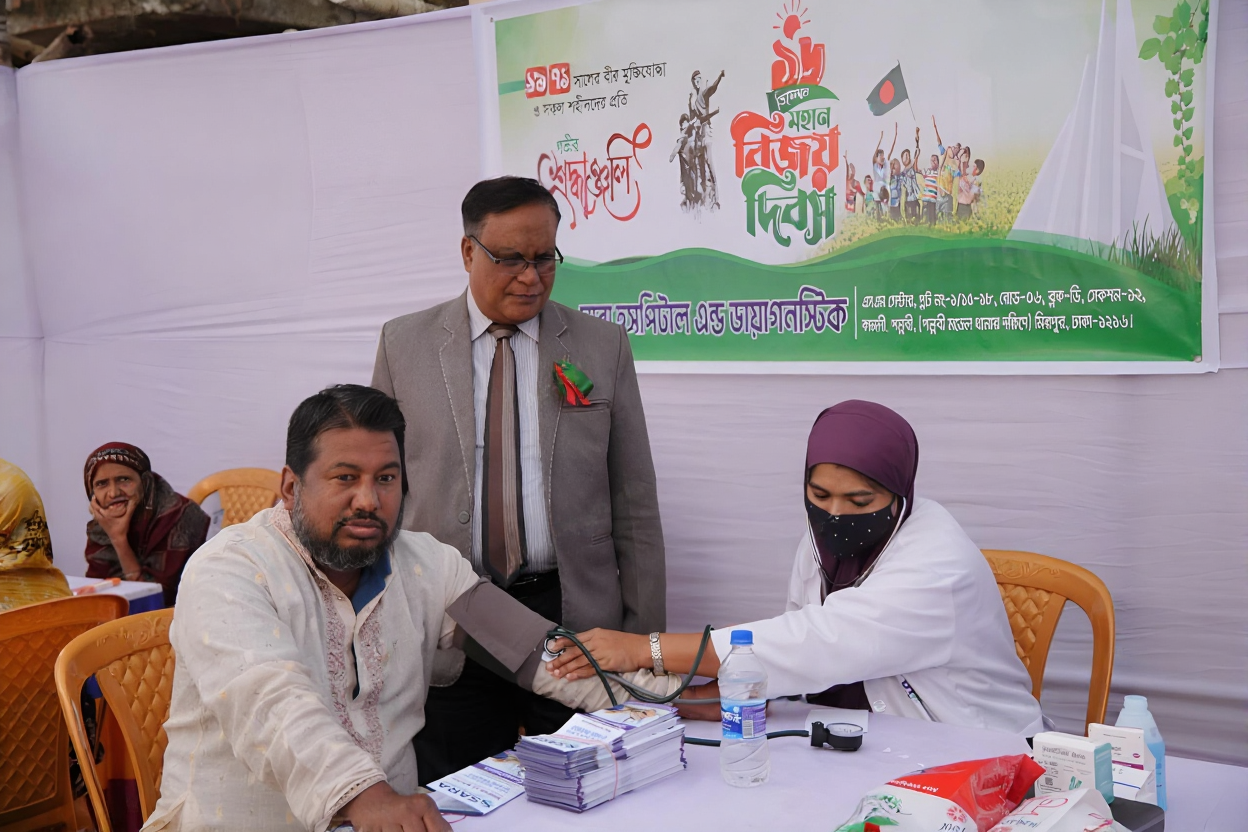
Primary Health Care (PHC) is the first level of contact between individuals and the healthcare system. It focuses on providing accessible, affordable, and comprehensive health services, including prevention, treatment, and health promotion. Nutrition is a vital component of PHC because proper nutrition prevents diseases, supports growth and development, and promotes overall health.
-
Preventive care: Immunizations, health education, and nutrition counseling. -
Accessible services: Available to all people, especially in rural and underserved areas. -
Integrated approach: Combines medical care, nutrition, sanitation, and health education. -
Maternal & child health: Focuses on proper nutrition during pregnancy and early childhood. -
Community involvement: Encourages local participation in health and nutrition programs. -
Chronic disease prevention: Promotes healthy eating habits to reduce obesity, diabetes, and heart disease.
Educational Support for Children
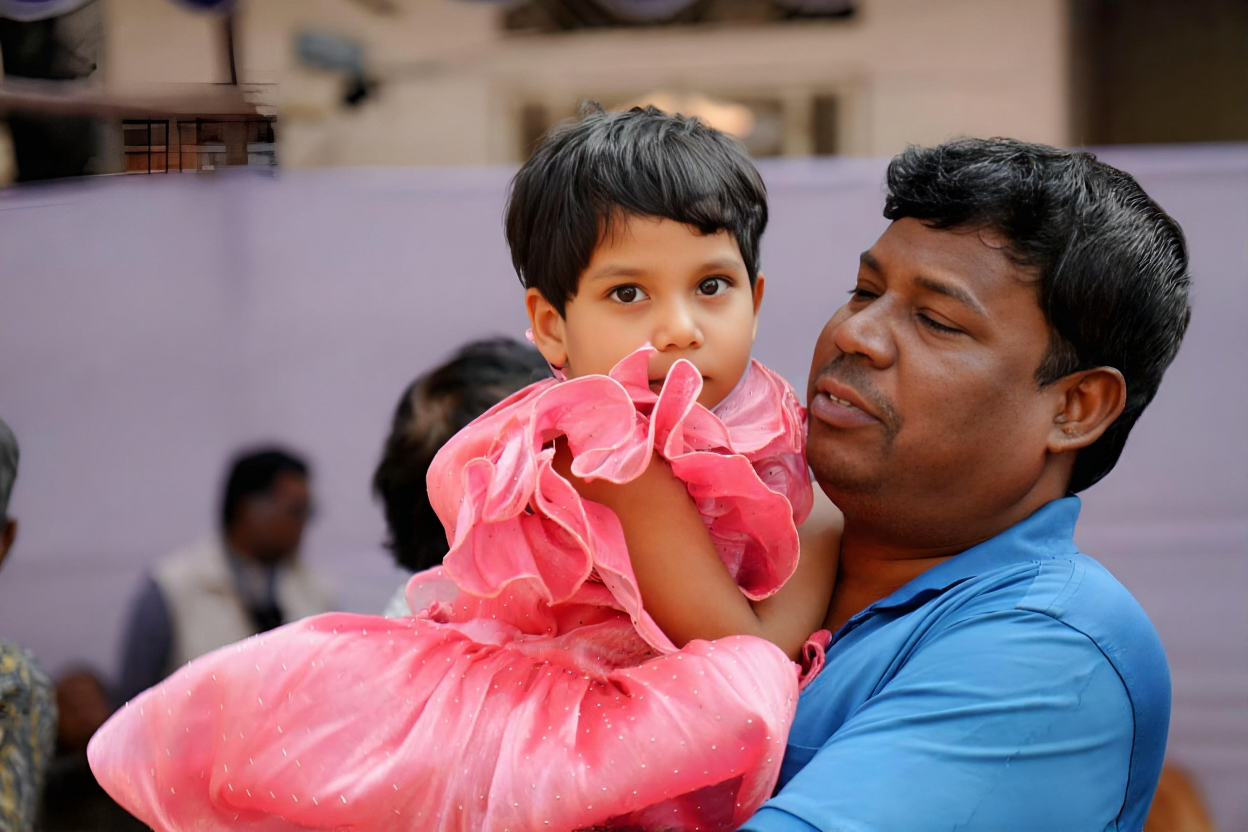
Educational support for children involves providing resources, guidance, and programs to help children succeed academically and develop essential life skills. It ensures that every child has the opportunity to learn, grow, and reach their full potential.
-
Tutoring & mentoring: Helps children improve academic performance and confidence. -
Access to resources: Books, digital tools, and learning materials. -
Inclusive education: Support for children with disabilities or special needs. -
Parental involvement: Engaging families in their child’s learning process. -
Life skills development: Communication, problem-solving, and critical thinking. -
After-school programs: Provide extra learning and enrichment opportunities.
Women Empowerment & Skill Development
Women empowerment involves creating opportunities for women to make independent choices and participate fully in social, economic, and political life. Skill development equips women with practical abilities to earn, contribute, and achieve self-reliance.
-
Economic independence: Training in income-generating skills and entrepreneurship. -
Education & awareness: Literacy programs, vocational training, and legal rights awareness. -
Confidence building: Encouraging leadership and decision-making skills. -
Health & social well-being: Awareness about nutrition, hygiene, and reproductive health. -
Community participation: Involving women in local governance and social initiatives. -
Access to resources: Financial services, technology, and mentorship programs.
Lorem ipsum dolor sit amet, consectetur adipiscing elit, sed do eiusmod tempor incididunt ut labore et dolore magna aliqua.
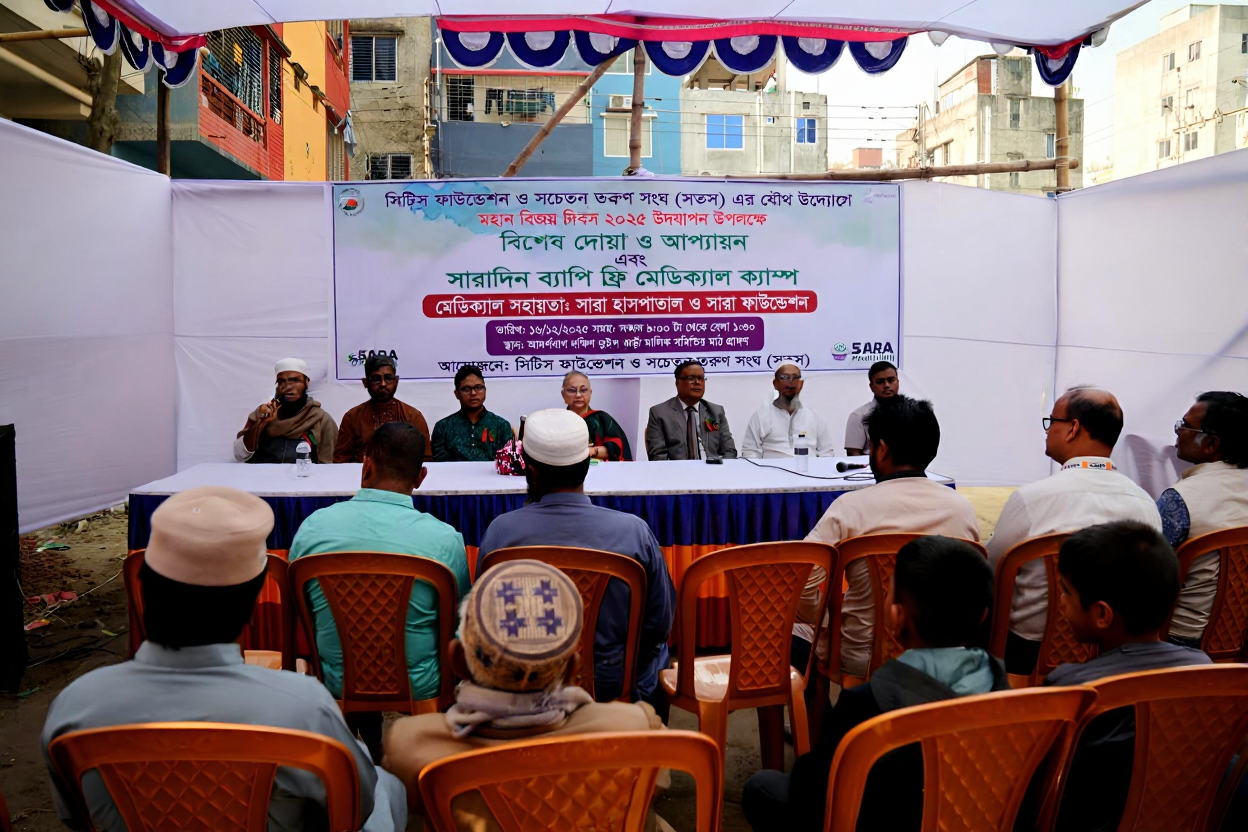
Microfinance & Livelihood Programs
Microfinance and livelihood programs provide small loans, financial services, and skill training to low-income individuals or communities to help them generate income, improve living standards, and achieve economic self-reliance.
-
Small loans: Provide capital for starting or expanding small businesses. -
Skill development: Training in trades, agriculture, or entrepreneurship. -
Income generation: Helps families earn a steady income and reduce poverty. -
Financial literacy: Educates beneficiaries on savings, budgeting, and credit use. -
Empowerment: Strengthens economic independence, especially for women. -
Community development: Promotes sustainable livelihoods and local economic growth.
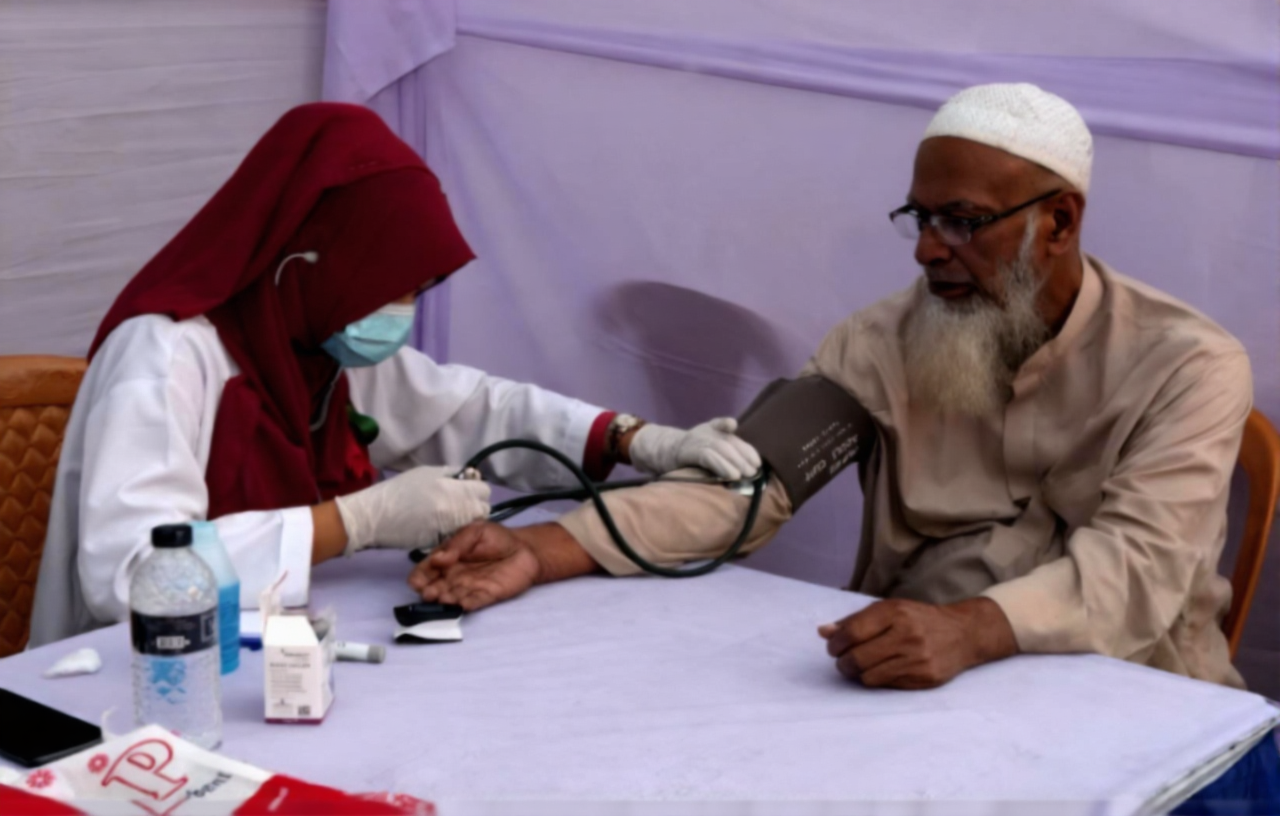
Disaster Response & Relief
Disaster response and relief involve immediate actions taken to assist communities affected by natural or man-made disasters. The goal is to save lives, reduce suffering, and restore essential services as quickly as possible.
-
Emergency assistance: Food, water, shelter, and medical aid. -
Search and rescue operations: Saving lives in disaster-affected areas. -
Medical support: Treatment for injuries and disease prevention. -
Coordination: Collaboration between government, NGOs, and volunteers. -
Restoration of services: Re-establishing electricity, water, and communication. -
Preparedness and awareness: Training communities to respond effectively in future disasters.
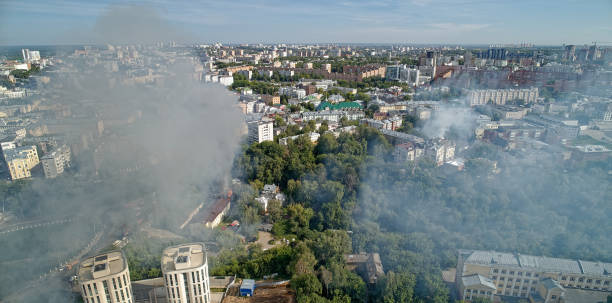
Environmental & Community Development
Environmental and community development focuses on improving the quality of life in communities while protecting and managing natural resources sustainably. It combines social, economic, and ecological initiatives to build resilient and healthy communities.
-
Sustainable practices: Promoting tree planting, water conservation, and waste management. -
Community participation: Involving local people in planning and decision-making. -
Health & sanitation: Ensuring clean water, hygiene, and proper waste disposal. -
Education & awareness: Teaching environmental conservation and civic responsibility. -
Livelihood support: Linking environmental projects with income-generating activities. -
Infrastructure improvement: Building roads, schools, and community centers sustainably.